
The Impact of New Systems on Your Energy Use
Heating, Ventilation, and Air Conditioning (HVAC) systems are crucial for maintaining comfortable indoor climates. Over time, older units can become inefficient, leading to higher energy bills and a larger carbon footprint. Replacing an outdated system with a modern one can significantly improve energy efficiency. This article will explore how upgrading your HVAC system can lead to substantial savings and a more environmentally friendly home.
Understanding Energy Efficiency Gains
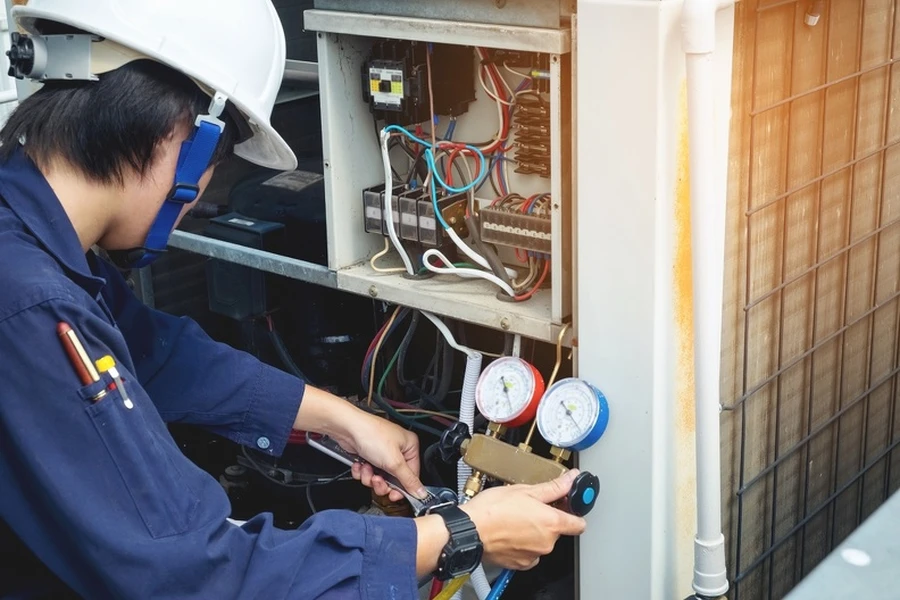
When you opt for HVAC replacement, you upgrade to newer models that consume less energy while providing the same level of comfort. Modern systems use advanced technology to optimize performance and reduce waste. These improvements mean that your home requires less electricity or fuel to maintain the desired temperature, resulting in lower utility bills.
Technological Advancements in Modern Systems
Current HVAC replacement options often include technologies like variable-speed compressors and programmable thermostats. Variable-speed compressors adjust their output based on the current demand, reducing unnecessary energy consumption. Programmable thermostats allow you to set specific temperatures for different times of the day, ensuring the system only works when needed.
Common Inefficiencies in Older Units
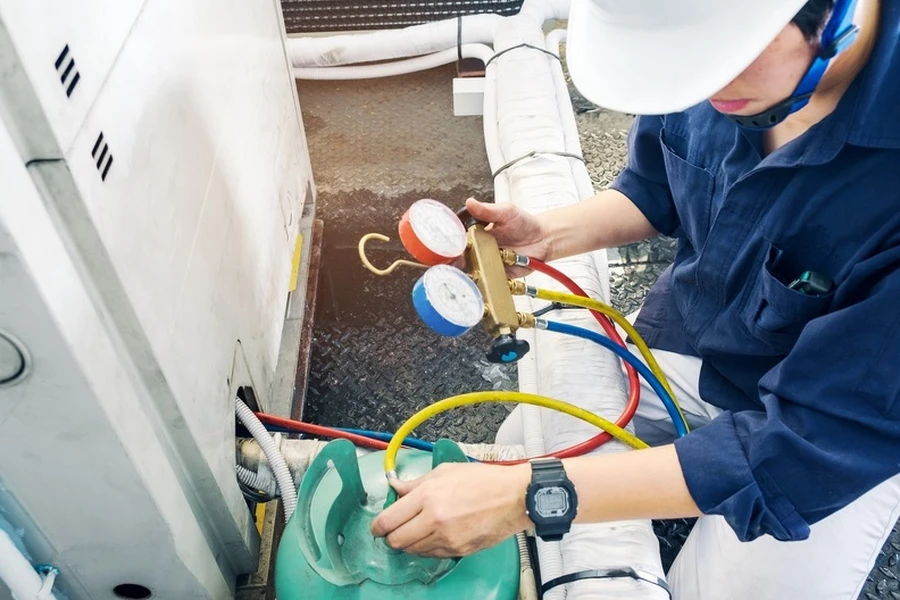
Older HVAC systems tend to have several inefficiencies. They may lack adequate insulation or have worn-out components that require more energy to function effectively. Moreover, older units might not be compatible with new technologies designed to enhance energy efficiency, making them costly to operate and maintain over time.
Benefits of Upgrading Your System
Switching to a new HVAC unit offers numerous advantages:
- Lower energy bills due to improved efficiency
- Enhanced home comfort with consistent temperatures
- Reduced environmental impact by lowering emissions
- Potential tax credits and rebates for using energy-efficient systems
- Increased property value thanks to modern installations
Considerations for Choosing a New System
Selecting the right HVAC system involves considering factors such as size, type, and climate suitability. It’s important to choose a system that matches your home’s needs without being too large or small. Consulting with an expert can help ensure you make an informed decision tailored to your circumstances.
Steps to Ensure Optimal Performance
- Regular maintenance checks every 6-12 months
- Replacing air filters every 1-3 months depending on usage
- Ensuring vents are unobstructed by furniture or other items
- Using a programmable thermostat to manage heating and cooling schedules
- Sealing windows and doors to prevent drafts and heat loss
The Importance of Professional Installation
A professional installation is critical for maximizing the benefits of a new HVAC system. Experts ensure that all components are correctly installed and calibrated for optimal operation. Additionally, they can provide valuable advice on maintenance practices that prolong the life of your system.
Final Thoughts on Upgrading Your System
Considering the numerous advantages, investing in a new HVAC system is worthwhile for both financial savings and environmental considerations. By choosing JP Heating and Cooling for your upgrade, you benefit from personalized service and expertise. Based in Santa Ana, CA, I am committed to enhancing your home’s comfort efficiently. Call me today at (714) 589-3517 to start experiencing these benefits.